


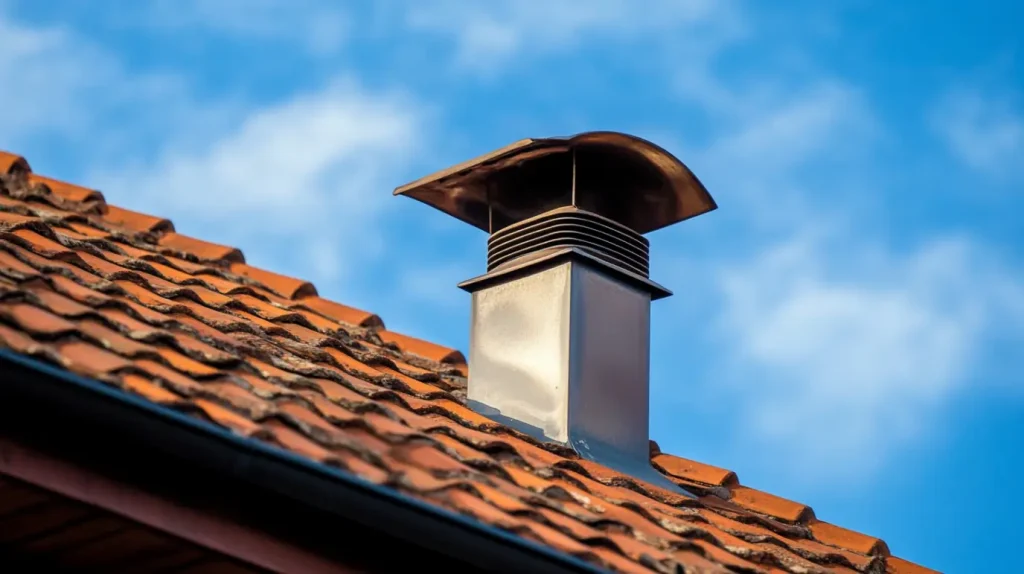
When homeowners think about reducing energy costs, they often focus on insulation or upgrading their HVAC system. However, one of the most overlooked factors in energy efficiency is roof ventilation.
Proper roof ventilation allows air to circulate through your attic, preventing heat buildup and moisture accumulation. Without it, your home can become less efficient, leading to higher energy bills and unnecessary strain on your cooling and heating systems.
Without proper airflow, hot air becomes trapped in your attic during warmer months. This heat can radiate downward into your living space, making your home warmer and forcing your air conditioner to work harder.
In colder months, trapped moisture can lead to condensation issues that affect insulation and overall energy performance.
These conditions can result in:
Proper ventilation helps regulate attic temperatures, preventing extreme heat buildup. When your attic stays cooler, your air conditioning system doesn’t have to work as hard.
This leads to reduced energy consumption and lower monthly utility bills.
Good airflow helps maintain a balanced indoor climate. Without hot air trapped in the attic, your home stays cooler in the summer and more stable year-round.
This eliminates hot spots and improves overall comfort throughout your living space.
Insulation works best when it remains dry and free from excess heat. Poor ventilation can cause moisture buildup that reduces insulation effectiveness.
Proper ventilation keeps insulation in optimal condition, helping it perform efficiently.
When your home maintains stable temperatures, your heating and cooling systems don’t have to run as frequently or as long.
This reduces wear and tear on your HVAC system, extending its lifespan and lowering maintenance costs.
Ventilation removes excess humidity from your attic, preventing condensation. This helps avoid issues like mold growth and structural damage, which can also impact energy efficiency.
A balanced ventilation system typically includes both intake and exhaust components:
Each home may require a different combination depending on its design and climate.
Homeowners should watch for these indicators:
If you notice any of these signs, your ventilation system may not be working efficiently.
Installing or improving roof ventilation requires proper planning to ensure balanced airflow. Too much or too little ventilation can both cause problems.
At TM Roofing & Construction Group, we assess your roof and attic structure to design an effective ventilation system tailored to your home. Our goal is to improve efficiency, protect your roof, and enhance overall comfort.

Roof ventilation plays a key role in maintaining an energy-efficient home. By regulating temperature and controlling moisture, proper ventilation reduces energy costs and extends the life of your roof.
If you’re looking to improve your home’s efficiency, evaluating your roof ventilation is a smart place to start.
We love hearing from you, our team is always ready to chat with you!


