


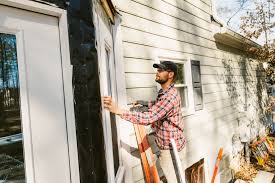
When most DFW homeowners think about protecting their home from North Texas weather, they think about the roof. And while the roof is certainly the first line of defense, your home's siding is a critical second layer of protection that takes a beating every single day — from hailstones, scorching UV rays, high winds, and driving rain.
Damaged, aging, or poorly installed siding doesn't just hurt your home's curb appeal. It creates entry points for water, pests, and outside air that can lead to structural damage, mold, rising energy bills, and declining home value. In a market like Dallas-Fort Worth — where home values are high and weather events are frequent — your siding is an investment worth protecting.
This guide covers everything DFW homeowners need to know about siding repair, siding replacement, and choosing the right siding material for the unique demands of North Texas weather.
Your home's siding serves multiple critical functions simultaneously. It protects the structural framing and sheathing behind it from moisture infiltration. It provides an additional layer of insulation that contributes to your home's energy efficiency. It creates the exterior aesthetic that defines your home's curb appeal and contributes significantly to its resale value. And in DFW specifically, it acts as a shield against one of the most damaging forces in North Texas weather: hail.
The Dallas-Fort Worth area sees some of the most frequent and most severe hailstorms in the entire country. When a hailstorm sweeps through the Metroplex, it doesn't just damage roofs — it damages siding, windows, gutters, and every other exposed exterior surface of your home. Homeowners with quality, impact-resistant siding are far better positioned to weather those storms with minimal damage and maximum insurance coverage.
Your siding will give you warning signs before it completely fails. Here's what to watch for:
Any breach in your siding — whether from hail impact, age, or physical damage — is an opening for water to get behind the siding material and into your home's wall cavity. Even small cracks should be addressed promptly in DFW, where heavy spring rains can drive moisture into any available opening.
Siding that is visibly warping, buckling, or pulling away from the wall is no longer providing a tight seal against the elements. In DFW, warping is often caused by prolonged heat exposure combined with moisture infiltration behind the panels.
While fading is normal over many years, severe or uneven discoloration can indicate that your siding's protective coating has broken down — leaving the underlying material more vulnerable to UV damage, moisture, and impact.
If your heating and cooling costs have been climbing, your siding may be part of the problem. Siding that has deteriorated or developed gaps allows conditioned air to escape and outside heat to penetrate, adding load to your HVAC system.
Mold or mildew growing on the surface of your siding — or soft spots that indicate rot in wood siding — are signs that moisture has been infiltrating your siding system for an extended period. This requires immediate attention to prevent structural damage to the framing behind it.
After any significant DFW hailstorm, your siding should be inspected alongside your roof. Hail can crack vinyl siding, dent fiber cement, and leave impact marks that compromise the material's weather resistance even if the damage isn't immediately visible from a distance.
Just like with roofing, the decision between siding repair and full siding replacement comes down to the extent and nature of the damage:
Choose Repair When: The damage is isolated to one or two sections of your siding, the rest of the siding is in good condition, and the underlying wall structure shows no signs of moisture damage. Targeted repairs can extend the life of your siding system cost-effectively when the overall system is still sound.
Choose Replacement When: The damage is widespread across multiple elevations of your home, your siding is 20 or more years old and approaching the end of its useful life, you've found moisture damage or mold behind the existing siding, or a storm has caused extensive hail or wind damage across the entire exterior. Full siding replacement is also the right call when you want to upgrade to a more durable, impact-resistant material that better handles DFW's demanding climate.
If your siding damage resulted from a hailstorm or severe weather event, there's a strong chance your homeowner's insurance will cover the repair or replacement. TM Roofing & Construction Group has helped DFW homeowners recover over $2 million in insurance claims — and exterior siding damage is frequently part of that process.
Choosing the right siding material for a Dallas-Fort Worth home requires considering heat, UV exposure, hail frequency, and moisture. Here's how the most popular options stack up:
Fiber cement siding — most commonly known by the brand name James Hardie — is the top choice for DFW homeowners who want maximum durability and weather resistance. Made from a blend of cement, sand, and cellulose fibers, fiber cement is exceptionally impact-resistant, holds up well against DFW hailstorms, carries a Class A fire rating, and is rated to withstand winds up to 150 mph. It resists moisture, insects, and rot, requires minimal maintenance, and can be painted any color to match your home's exterior. For most DFW homeowners prioritizing longevity and storm resilience, fiber cement is the gold standard.
Vinyl siding is the most common siding choice in the United States and is widely used across DFW for its affordability, low maintenance, and wide variety of colors and styles. Modern premium vinyl siding offers decent impact resistance and does not require painting. However, standard vinyl is vulnerable to cracking and shattering from large hailstones — a real concern in DFW's Hail Alley. If you choose vinyl for a DFW home, thicker premium-grade vinyl (at least .046 inches) offers meaningfully better hail resistance than standard products.
Wood siding offers a classic, natural aesthetic that many DFW homeowners love — particularly on craftsman, farmhouse, and traditional-style homes. The tradeoff is maintenance. Wood siding requires regular painting or staining to maintain its weather resistance, and in DFW's climate of intense heat, UV exposure, and periodic heavy rain, wood that is not properly maintained is vulnerable to warping, rot, and insect damage. For homeowners committed to the aesthetic and the upkeep, quality wood siding is a beautiful choice. For homeowners who want minimal maintenance, fiber cement can replicate the look of wood without the upkeep demands.
Metal siding — typically steel or aluminum — is an increasingly popular option for modern-style DFW homes and for commercial properties. It is extremely durable, highly impact-resistant, fire-resistant, and virtually maintenance-free. Metal siding handles DFW heat well and is an excellent choice for homeowners who want maximum longevity with minimal upkeep.
In DFW, siding damage from hailstorms is extremely common — and it's frequently covered by homeowner's insurance. The key is proper documentation.
When a hailstorm hits your DFW home, the impact marks, cracks, and chips left on your siding are evidence of a covered loss under most Texas homeowner's insurance policies. At TM Roofing & Construction Group, we inspect your entire exterior after a storm — not just the roof. We document siding damage with detailed reporting and photos, and we make sure your insurance adjuster includes siding repair or replacement in the scope of your claim.
This comprehensive approach is why our clients have recovered over $2 million in total insurance claims — because we leave nothing out.
TM Roofing & Construction Group isn't just a roofing company. We're a full-service property restoration contractor serving the entire Dallas-Fort Worth Metroplex. Our siding services include:
Free Siding Inspections — We assess your current siding's condition, identify all damage, and give you a clear, honest recommendation on whether repair or replacement is the right move for your home.
Expert Siding Repair — Targeted repairs for isolated hail damage, cracks, warping, or moisture infiltration that restore your siding's performance without the cost of full replacement.
Full Siding Replacement — Professional installation of new siding in the material of your choice, properly fitted and sealed to protect your DFW home for decades.
Insurance Claim Assistance — We work directly with your insurance company to document storm damage, meet with adjusters, and fight for full coverage of your siding repair or replacement.
How long does siding last in DFW?
Fiber cement siding can last 30 to 50 years with proper maintenance. Premium vinyl siding typically lasts 20 to 40 years. Wood siding lifespan varies significantly based on maintenance. In DFW's demanding climate, material quality and installation quality both play a major role in actual longevity.
Is siding damage covered by homeowner's insurance in Texas?
If the damage was caused by a covered peril — such as hail or wind — the answer is generally yes. TM Roofing includes exterior siding in every storm damage inspection and helps homeowners pursue full coverage.
How do I know if I have hail damage to my siding?
Look for impact marks, cracks, chips, or dents across the surface of your siding panels. With vinyl siding, look for cracks or fractures. With fiber cement, look for chipping around the edges of impact marks. A professional inspection is the most reliable way to document all damage accurately.

Whether your DFW home just went through a hailstorm or your siding has simply been showing its age, TM Roofing & Construction Group is ready to help. Our free exterior inspections cover your siding, roofing, gutters, and more — giving you a complete picture of your home's condition and a clear path forward.
Schedule Your Free Inspection at asktmroofing.com
We love hearing from you, our team is always ready to chat with you!


